Conservative MP Robert Jenrick on Sunday posted a Facebook attack on Labour-run Bassetlaw District Council, accusing it of imposing a £1,007 "tax" on people selling homemade cakes and fresh eggs from boxes at their front gates, with a £1,000 fine for non-payment. We have checked the council's published Street Trading Policy. The policy explicitly exempts the kind of sales Mr Jenrick describes. The £1,007 figure does not appear in the policy text, and the £1,000 figure that does appear is the HMRC personal trading allowance — not a fine.
At a glance — claim vs policy
- Claim: Bassetlaw imposes a £1,007 fee on selling homemade cakes / fresh eggs from honesty boxes at front gates.
- Policy: Section 2 of the Bassetlaw Street Trading Policy (effective 24 April 2026) explicitly exempts ancillary, non-commercial sales from residential premises. Small-scale sales of eggs, vegetables, cut flowers and hobby produce by the occupier are called out by name as not requiring a consent.
- Claim: Failure to pay the £1,007 results in a £1,000 fine.
- Policy: The £1,000 figure that appears in the policy is the HMRC personal trading allowance — the threshold above which sales become "commercial" and a consent is required. There is no flat £1,000 fixed penalty in the policy's enforcement section.
- Where the £1,007 figure appears to come from: Not in the main Street Trading Policy. Bassetlaw's published street-trader fee schedule lists a Mobile Trading Consent at £558 for 12 months / £509 for 6 months. We could not locate a £1,007 figure in either document.
- What does require a consent: Commercial-scale operations from residential premises (defined as producing income above the £1,000 HMRC allowance), and sales of cakes/breads/other goods "manufactured with the intention to trade".
What Mr Jenrick said
In a Facebook post on Sunday, Robert Jenrick — Conservative MP for Newark, whose constituency neighbours Bassetlaw — wrote that Bassetlaw District Council is "imposing a tax on people selling homemade cakes or fresh eggs from boxes at their front gates", setting that "absurd tax" at £1,007, and that the fine for failing to pay had been set at £1,000. He framed the policy as designed to "end this harmless and in fact very endearing practice altogether" and said Reform UK councillors had pledged to reverse it if they take control of Bassetlaw next year.
What the policy actually says
Bassetlaw District Council published Version 2.1 of its Street Trading Policy in April 2026, taking effect on 24 April. The policy is publicly available on the council's website. Two sections are directly relevant to Mr Jenrick's claims.
Section 2 (Street Trading Legislation) — page 8 of the policy sets out an explicit exemption for ancillary residential sales. In its own words, the council "has resolved to exempt from this policy the requirement for a consent in cases of ancillary sales from residential premises". The exemption applies to sales of goods, including food, that are produced as an ancillary or surplus product from a non-commercial activity by the occupier of the property, and traded from a structure within the curtilage of a residential premises.
The same section gives explicit examples: "This is likely to include small-scale sales of eggs, vegetables, cut flowers and by-products of a hobby where those products have been personally produced by the residential occupier of the property or their close family."
That is the precise category Mr Jenrick described as being taxed.
Where the £1,000 figure actually comes from
The policy does contain a £1,000 figure — but it is not a fine. The same Section 2 explains where the boundary between exempt residential sales and commercial trading sits:
"Where goods are sold commercially (ie producing income in excess of the HMRC personal trading allowance, currently £1,000 per annum) a consent will be required."
The £1,000 is a national HMRC threshold for tax-free trading income. It defines when an activity stops being a hobby and becomes commercial for tax purposes. The policy uses this same threshold as its cut-off for when a street trading consent becomes necessary. It is set by Westminster, not Bassetlaw, and it is not a penalty.
The policy's enforcement section (Section 44) describes consequences for breaches as potentially including prosecution and applications for civil injunction. It does not set a flat fixed-penalty notice of £1,000.
What does require a consent under the policy
The policy is clear that some residential sales activity does require a consent. Specifically:
- Where the operation is commercial — income above the £1,000 HMRC trading allowance triggers a consent requirement.
- Where the goods are not ancillary to a non-commercial activity — the policy explicitly mentions "sales of cakes, breads or other goods which have been manufactured with the intention to trade" as requiring a consent.
In practical terms: an occasional honesty box of surplus eggs from the household chickens, or a tray of vegetables from the allotment, is exempt. A commercial home-baking business operating regularly from a residential premise and selling to the public would need a consent.
Where the £1,007 figure might have come from
The Street Trading Policy does not list specific fee amounts in the policy text — these are kept in a separate annual fees and charges schedule. The published Bassetlaw figure for a 12-month Mobile Trading Consent is £558. The figure for a six-month consent is £509. We could not locate a £1,007 figure in either the policy or the published fee schedule against the kind of residential sales Mr Jenrick described.
The political context
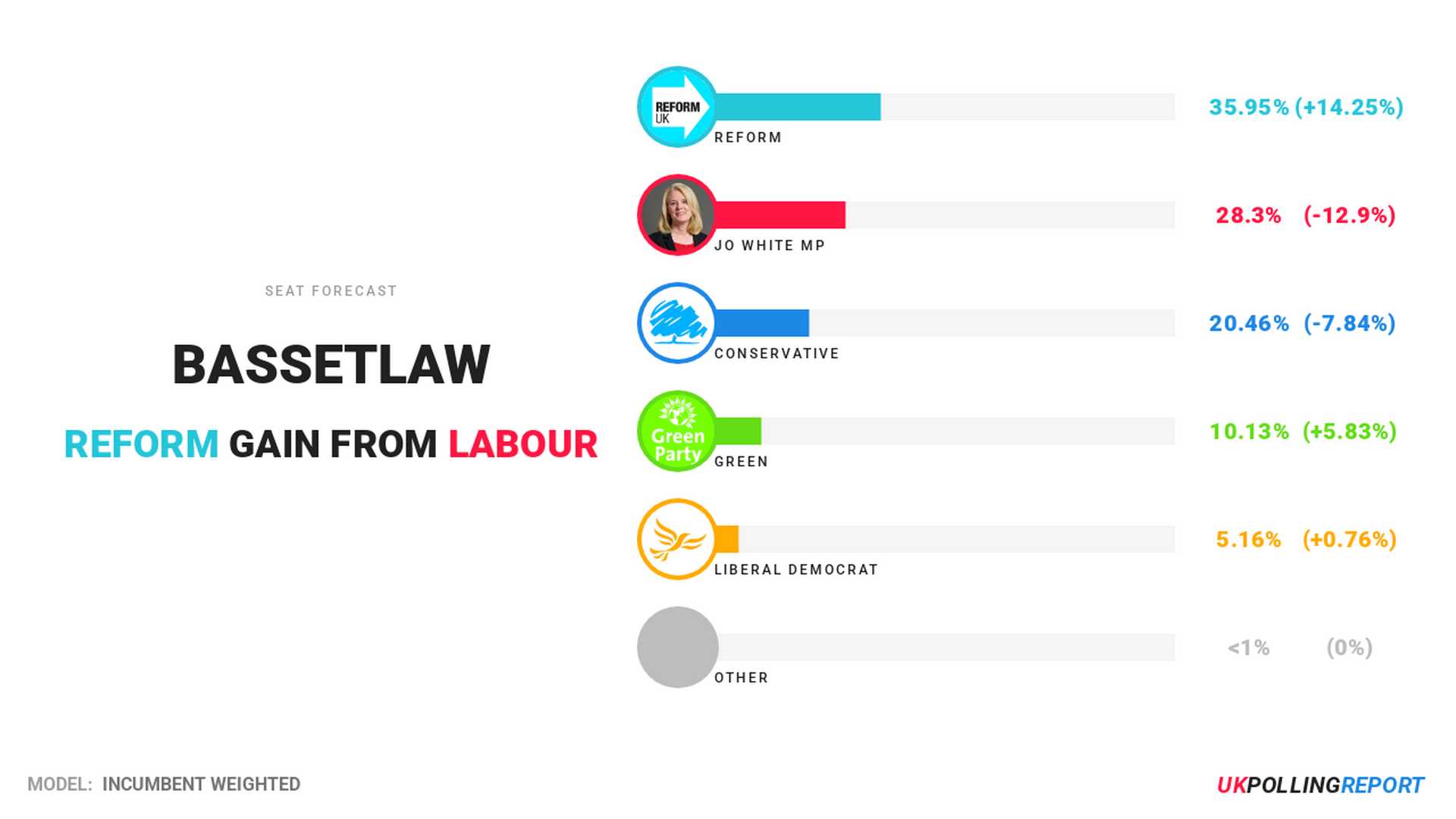
Mr Jenrick's post landed in the context of tightening polling in Bassetlaw, with Reform UK currently projected to win the constituency at the next general election according to UK Polling Report's incumbent model. Bassetlaw District Council is not voting in 2026 — it is in a fallow year — and the next district elections are in May 2027. Mr Jenrick's post invites residents to "boot out Labour and back Reform UK" at that vote.
The Street Trading Policy itself was updated after a public consultation conducted in late 2025 and approved by the council's Licensing Committee in November 2025. The update introduced clearer exemptions for cottage-food and honesty-box sales, in response to public feedback during the consultation. In other words: the explicit exemption Mr Jenrick says is missing was added following public consultation, not removed by it.
How we did this fact-check
This article is based on the full text of the Bassetlaw District Council Street Trading Policy (Version 2.1, effective 24 April 2026), available on the council's licensing pages, and on the council's published street trader fee schedule. All quotations from the policy are short verbatim extracts. We have not paraphrased the council's position or Mr Jenrick's position — we have quoted from his own Facebook post and from the council's own policy document. If either party clarifies the source of the £1,007 figure, we will update this article.
Source: Bassetlaw District Council Street Trading Policy Version 2.1, effective 24 April 2026; Robert Jenrick MP, public Facebook post dated 11 May 2026. Last updated 11 May 2026.