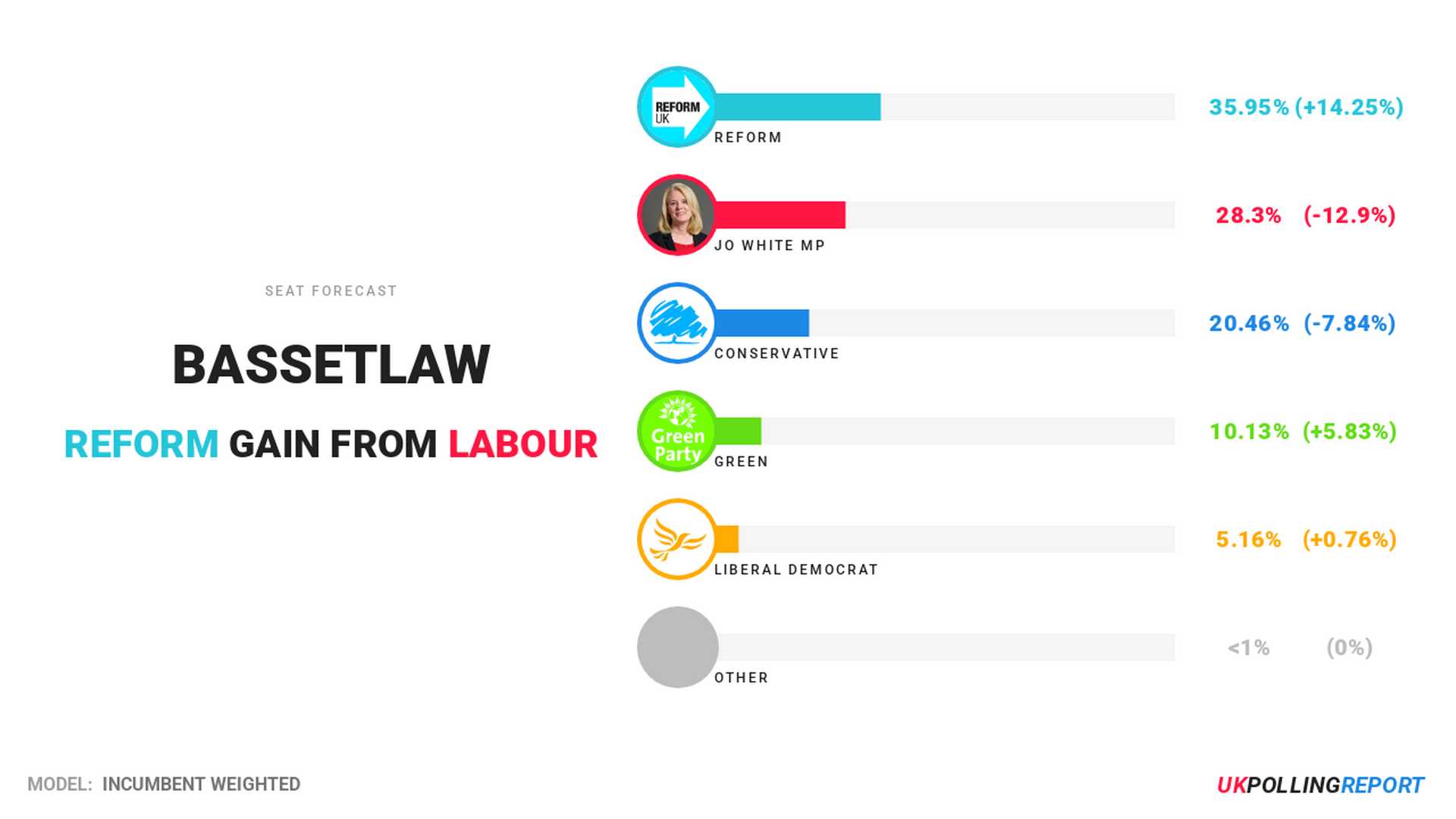
Sheffield City Council remains under Labour control but with a sharply reduced majority after Thursday's local elections, in which Reform UK won 12 seats from a standing start, the Greens added six including the seat of council leader Tom Hunt, and Labour lost 13 councillors in a single night. For Worksop and Bassetlaw readers the result matters because the political balance across South Yorkshire — which directly shapes regional decisions on Doncaster Sheffield Airport and the £160m devolution funding pot — has just shifted significantly.
At a glance
- Election: Sheffield City Council, Thursday 7 May 2026 — one-third of 84 seats up for election
- Reform UK: Gained 12 seats (from zero) — biggest single-night gain of any party
- Green Party: Gained 6 seats, including unseating Labour council leader Tom Hunt in Walkley by 73 votes
- Labour: Lost 13 councillors, returning only 3 of the seats it was defending — but remains the largest party on the council overall with 25 councillors
- Liberal Democrats: Held 5 seats, lost 4
- Headline: Labour holds the council; no party has a working majority
- Why it matters to Bassetlaw: The South Yorkshire political picture now sits more closely with Reform, Greens and a weakened Labour, all of which affect upcoming regional decisions
What happened
Sheffield City Council elects one-third of its 84 members at a time on a four-year cycle. On Thursday 7 May, with 28 seats up for grabs, Reform UK fielded candidates across the city for the first time at this scale and returned 12 councillors. The Greens, who had been gradually building their representation, gained another six. Labour — who started the night defending the largest bloc of seats — held only three, losing thirteen. The Liberal Democrats held five and lost four.
The result that defined the night locally was the loss of Sheffield's Labour council leader Tom Hunt, who was unseated in Walkley by Green candidate Andy Davies by just 73 votes. Hunt had led the council since the previous administration.
Overall composition now
Because only one-third of seats were up for election, Labour remains the largest party on Sheffield City Council with around 25 councillors, but its majority has tightened considerably. Reform UK enter the council as a brand-new bloc of 12. The Greens are now a substantial third force at roughly 14 seats overall (including their pre-existing councillors). No party holds an outright working majority on its own.
In practical terms, this means Sheffield's Labour administration will now need to find votes from elsewhere on the council to pass anything contested — a position the council has not been in for many years.
Why it matters for Bassetlaw and Worksop
Sheffield's politics shape the wider South Yorkshire picture in two specific ways that matter to readers in this area:
Doncaster Sheffield Airport. The crunch vote on the £57 million borrowing facility behind the DSA reopening is happening today, Monday 11 May, at City of Doncaster Council. The Sheffield result strengthens Reform UK's regional political hand at exactly the moment that decision lands. Our preview of that vote is here; the latest agenda-paper update is here.
The South Yorkshire devolution settlement. The South Yorkshire Mayoral Combined Authority controls major regional funding pots — including the £160m of devolution funding earmarked to follow the £57m DSA loan, plus Worksop's own connections to wider transport, housing and infrastructure spending through the East Midlands Investment Zone. The South Yorkshire mayor (Oliver Coppard, Labour) retains his post, but his political backdrop in Sheffield has just become considerably more crowded.
The wider picture
Sheffield is not an outlier. Across the rest of England, Thursday's local elections saw sweeping Reform UK gains and deep Labour losses in the kind of post-industrial, ex-Labour, ex-Conservative authorities that match Sheffield's profile. The shift is consistent with what current national polling has been picking up — and with the Reform-favourable constituency projection in Bassetlaw we covered last week.
Bassetlaw and Notts County Council were both on fallow cycles and did not vote on Thursday. The next district elections in Bassetlaw are in May 2027. The next Notts County Council elections are in 2029.
Sources: Yorkshire Post, ITV Calendar, Now Then Sheffield, Sheffield Star, Sheffield City Council official results. We will return to the South Yorkshire devolution implications as decisions land in the coming weeks.